

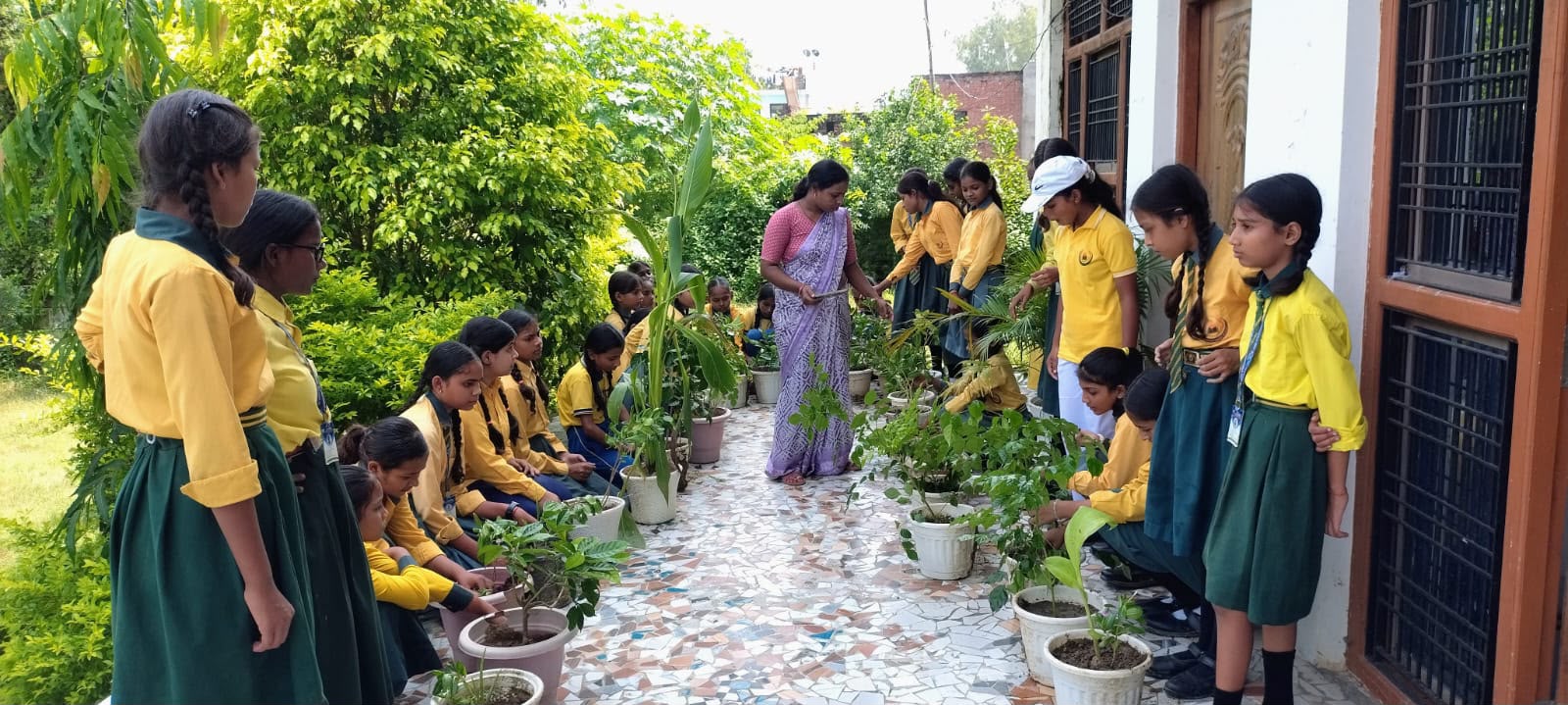
𝑨 𝒘𝒆𝒆𝒌𝒍𝒚 𝒔𝒖𝒔𝒕𝒂𝒊𝒏𝒂𝒃𝒊𝒍𝒊𝒕𝒚 𝒄𝒍𝒂𝒔𝒔 𝒂𝒕 𝑱𝒂𝒎𝒆𝒔 𝑰𝒏𝒕𝒆𝒓𝒏𝒂𝒕𝒊𝒐𝒏𝒂𝒍 𝑺𝒄𝒉𝒐𝒐𝒍 𝒊𝒍𝒍𝒖𝒔𝒕𝒓𝒂𝒕𝒆𝒔 𝒉𝒐𝒘 𝒑𝒓𝒂𝒄𝒕𝒊𝒄𝒂𝒍 𝒍𝒆𝒂𝒓𝒏𝒊𝒏𝒈 𝒄𝒂𝒏 𝒄𝒐𝒏𝒏𝒆𝒄𝒕 𝒆𝒅𝒖𝒄𝒂𝒕𝒊𝒐𝒏 𝒘𝒊𝒕𝒉 𝒓𝒆𝒔𝒑𝒐𝒏𝒔𝒊𝒃𝒊𝒍𝒊𝒕𝒚, 𝒄𝒓𝒊𝒕𝒊𝒄𝒂𝒍 𝒕𝒉𝒊𝒏𝒌𝒊𝒏𝒈 𝒂𝒏𝒅 𝒄𝒐𝒎𝒎𝒖𝒏𝒊𝒕𝒚 𝒍𝒊f𝒆.
New Delhi, India — October 6, 2026 — Schools help shape the people who will one day lead institutions, build businesses, raise families and make decisions for their communities. Their responsibility extends beyond helping students pass examinations. Education must also prepare children to think carefully, work with others and understand how their actions affect the world around them.
These abilities develop through experience as well as instruction. Children need opportunities to ask questions, make decisions, contribute to shared goals and reflect on what happens afterward.
Sustainability education offers schools a practical way to bring these experiences into everyday learning.
Making Responsibility Tangible
Environmental care can begin with what children encounter every day: water, plants, food, waste and shared spaces.
When schools connect these subjects with practical activities, students can explore both scientific questions and human responsibilities. What does a plant need to grow? How much water is enough? Who will care for it tomorrow? How can a group share the work fairly?
Such questions encourage observation, reasoning and cooperation. They also help children recognise that responsibility involves continued attention.
Aruna Sankaranarayanan’s October 6 Deccan Herald feature, “Nurturing responsible citizens,” discusses how experiential civic education helps students recognise common problems, weigh priorities and consider resource limitations. Her account of CMCA’s Civic Club connects participation with the development of civic judgment.
For schools, the wider lesson is that children need opportunities to practice the responsibilities they are being taught.
James International Schools: An Example of Learning Through Participation
At James International School (JIS) in Aluwamai, India, a new weekly sustainability class has been added to the curriculum.
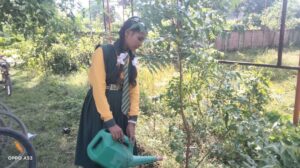
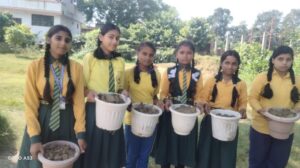
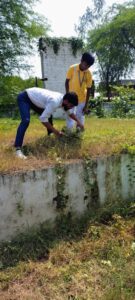
The school’s photographs show students preparing soil, tending potted plants, watering greenery and working alongside their teacher. These activities provide a concrete example of how a school can connect environmental learning with participation.
“Learning by doing! When children plant, nurture and care for their surroundings, sustainability becomes a responsibility they practise every day,” says Teacher Rajkumari Vishwakarma.
Giving the subject a weekly place creates opportunities for continuity. Students can return to their work, observe changes and discuss what needs further care. Teachers can help them connect what they notice with concepts explored in class.
The example illustrates an educational approach that other schools can adapt to their own surroundings, resources and students.
Connecting Subjects With Everyday Life
Practical sustainability activities can bring several areas of learning together.
Measuring plant growth or recording water use can create opportunities to apply mathematics. Observing soil, roots and leaves can support scientific inquiry. Explaining a process or discussing a group decision can strengthen communication.
The educational value depends on how teachers guide the experience. Completing an activity is a starting point; asking students to explain, compare and reflect helps deepen their understanding.
A teacher might ask why two plants grew differently, what evidence supports an explanation or how the group could improve its approach. These questions help children move from observation to reasoning.
Global Citizenship Begins Close to Home
Preparing global citizens means helping students understand their connection to other people and to the environments they share.
At JIS, that ambition informs the introduction of the new course.
“Dr. Virginia Rivera, Patron of JIS, brings insights from her visits to schools around the world to help enrich our global curriculum. We embraced this new weekly sustainability course because we believe in developing global citizens who think critically, act responsibly and care for their communities and the planet,” says Adv. Peeyush Pandit.
A local activity can open a wider conversation. Caring for plants at school can lead to questions about water, food production and ecosystems. Managing a shared space can introduce ideas about cooperation, fairness and collective responsibility.
Children can begin with familiar experiences and gradually explore their broader connections.
Supporting Teachers and Student Participation
Schools need to give teachers the time, encouragement and practical support to make this learning meaningful.
Clear goals, manageable activities and opportunities for reflection can help teachers connect participation with the curriculum. Students also need different ways to contribute—through asking questions, observing carefully, recording information, completing tasks or helping classmates.
This makes room for a wider range of strengths. It can also help children experience the value of their contribution to a group.
Building Habits Through Consistency
A recurring subject gives schools an opportunity to develop learning over time. Students can revisit questions, assess progress and recognise that care requires persistence.
JIS’s weekly sustainability class offers one example of this commitment. Its significance lies in making practical responsibility a regular part of education.
For schools everywhere, the opportunity is clear: connect knowledge with experience, help children examine the consequences of their choices and give them meaningful ways to contribute.
The citizens of tomorrow are already in today’s classrooms. Schools can help them begin practising the thoughtful participation their communities will need.
Leave a Reply