

July 30, 2026
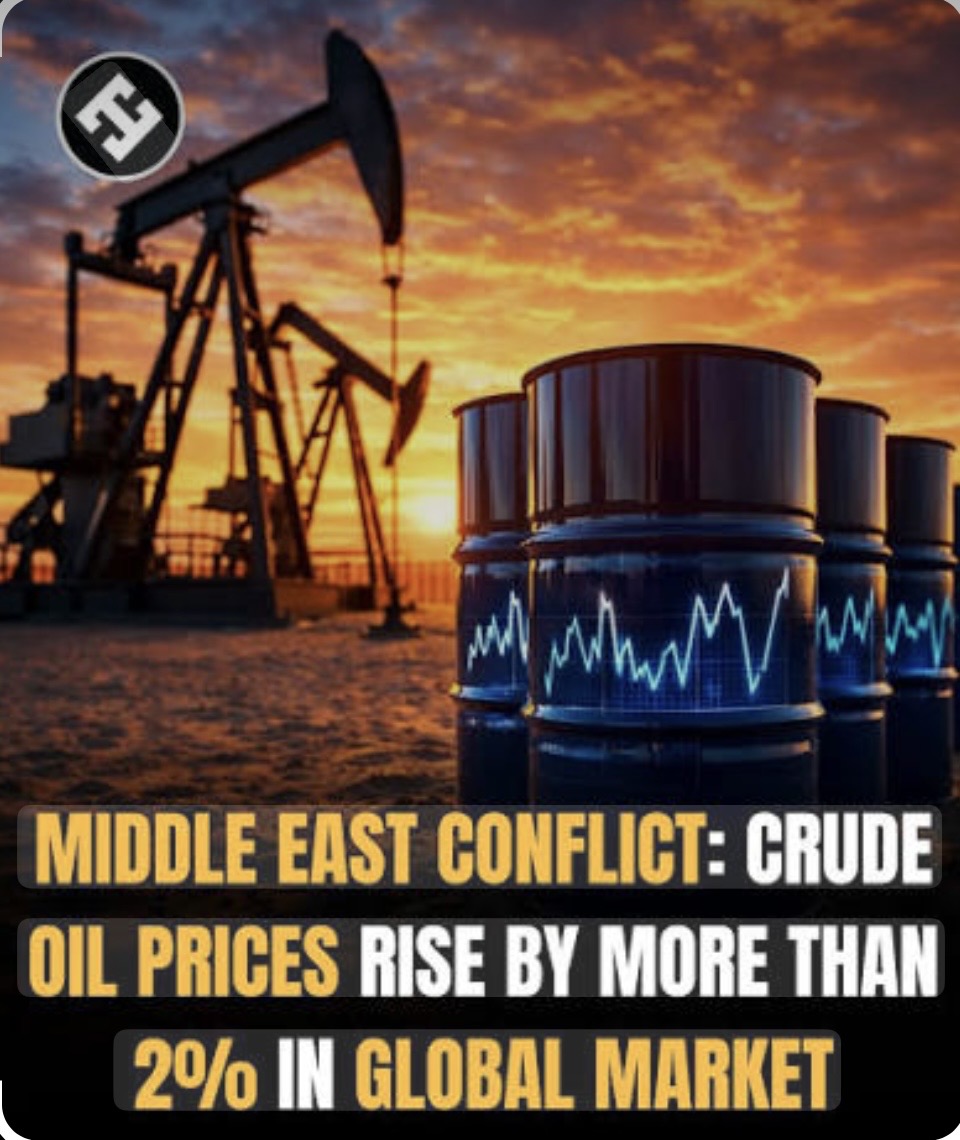
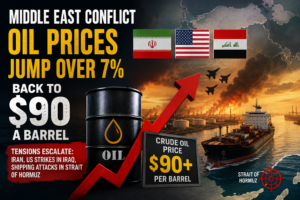
Global oil markets witnessed a sharp surge as crude prices climbed more than 7%, with Brent crude crossing the $90-per-barrel mark following a dramatic escalation of tensions across the Middle East. The latest developments involving Iran, U.S. military operations in Iraq, and renewed threats to commercial shipping in the Strait of Hormuz have reignited fears of a major disruption to global energy supplies.
The Strait of Hormuz, through which nearly one-fifth of the world’s oil supply passes, has once again become the center of international concern. Reports of attacks on commercial vessels and growing military activity have raised the possibility of prolonged disruptions to one of the world’s most strategically important maritime trade routes. Energy traders and governments are closely monitoring the situation, as any sustained interruption could tighten global supplies and further drive up prices.
The spike in oil prices reflects more than immediate supply concerns. Financial markets are now factoring in a geopolitical risk premium, anticipating that continued conflict could increase transportation costs, insurance premiums for shipping, and inflationary pressures worldwide. Higher crude prices often translate into increased fuel costs, more expensive logistics, and rising prices for goods and services across both developed and emerging economies.
For energy-importing nations such as India, sustained high oil prices present a significant economic challenge. Increased import bills can put pressure on government finances, widen trade deficits, and contribute to inflation, potentially affecting everything from transportation to household expenses. Businesses dependent on fuel-intensive operations may also experience rising operational costs if the situation persists.
Analysts caution that market volatility is likely to remain elevated until there is greater clarity on regional security and the safety of international shipping lanes. Diplomatic efforts aimed at de-escalation are expected to play a crucial role in determining whether crude prices stabilize or continue their upward trajectory in the coming weeks.
While energy markets have weathered geopolitical shocks in the past, the current combination of military escalation, maritime security concerns, and uncertainty surrounding one of the world’s most critical oil transit routes has once again highlighted the fragile balance between global politics and economic stability. As governments, businesses, and consumers prepare for potential volatility, the unfolding Middle East crisis is set to remain one of the defining economic stories of the moment.
Leave a Reply